
Panel and load reality check
We look at your service size, panel space, and major loads before we recommend circuit sizing or placement, so the plan matches what your home can actually support.
Serving Chicago, Illinois & surrounding areas
Get a clean, code-compliant install for your Tesla Wall Connector or Mobile Connector outlet, with load checks, smart routing, and a clear plan before any work starts.

Panel assessment, protected wiring and inspection-ready installation.
If you are searching for tesla charger installation chicago, you are usually trying to solve two problems at once: getting dependable charging at home and making sure the electrical work is sized, protected, and permitted correctly.
EV Charger Installation Chicago installs Tesla Wall Connectors and outlet-based setups (most commonly NEMA 14-50 when appropriate) for single-family homes, townhomes, and garages across Chicago, IL. The work starts with a real look at your existing electrical service and panel capacity, then a plan for the run—panel to garage, basement to alley-facing garage, or through finished space—that keeps the install tidy and serviceable.
Chicago housing can vary a lot block to block. In areas with older construction and finished basements, routing may require careful drilling and patch planning to avoid visible scars. In neighborhoods with detached garages, the long run to the garage and the path across a yard or along an exterior wall often drives both material needs and labor time. Either way, we size wiring and overcurrent protection to the equipment and the run length, then set the charger up so it is practical to use every day.
A safe, dependable installation is more than hanging a unit on the wall.
For a Tesla Wall Connector, we confirm the circuit size you can support, choose the right conductor size for the run (length and installation method matter), and install a dedicated breaker with correct labeling. We mount the unit at a usable height, plan cable reach to your typical parking position, and route conduit or cable cleanly so it is protected from physical damage in a garage environment.
For outlet-based charging, we verify the receptacle and box are appropriate for the load, the wiring method is correct, and the circuit protection matches the plan. We also talk through everyday use: how you will store the mobile connector, whether the outlet location will force you to cross a walkway, and how to avoid strain on the plug and cord.
In Chicago, permitting and inspection requirements can apply depending on scope. When a permit is needed, we align the work with inspection expectations, including clear access to the electrical panel, proper grounding and bonding, and correct support and protection for the wiring method used.
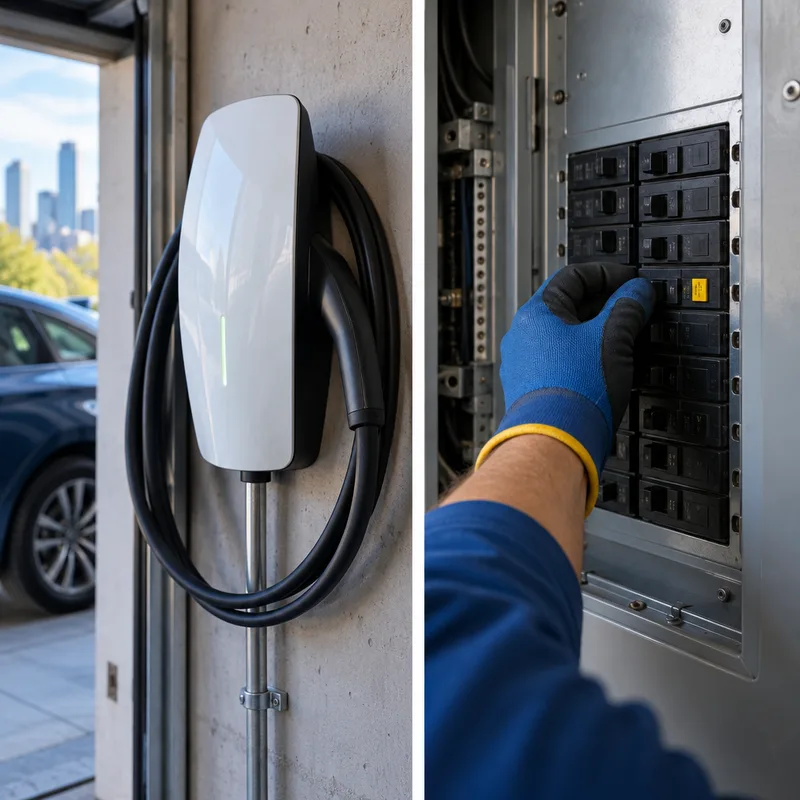
We look at your service size, panel space, and major loads before we recommend circuit sizing or placement, so the plan matches what your home can actually support.
Basements, drywall ceilings, and finished garages need a different approach than open framing. We plan the run to keep the result neat and serviceable.
Longer runs and exterior paths often need conduit strategy, physical protection, and careful placement so the charger is usable without the cord being a trip hazard.
We help you choose between a hardwired Wall Connector and an outlet-based option based on your parking habits, available capacity, and how you want the setup to look.
You get a straightforward walkthrough of breaker labeling, charger settings, and what to do if you ever need to service the unit or move vehicles in the garage.
We confirm where you want the charger, how the car parks, what the wall construction is, and where the electrical panel is. We also check panel space and the practical routing options.
We specify the circuit size, wiring method, and protection based on the equipment and run length. If the best location is different from the first idea, we explain why before any holes get drilled.
We mount the charger or install the outlet, run the wiring, land connections in the panel, and keep routing tight and protected where it matters most—garage walls, exposed areas, and near doors.
We power up, verify correct operation, and confirm the setup behaves normally under load. For Wall Connectors, we help confirm configuration basics so charging works the way you expect.
If the scope requires permitting, we coordinate the steps so the work is ready for inspection and documentation is in order.
Detached garages and alley access are common in Chicago, and they change how a Tesla charger installation is planned. The best install usually puts the charger where the cable reaches comfortably without crossing a walkway or being pinched by a door.
In denser areas with tight driveways, the parking position matters more than people think. A charger installed on the wrong side of a garage can turn daily charging into a hassle, even if the electrical work is technically correct.
We also see plenty of basements and utility spaces where a clean run is possible with the right route. In homes where the panel is far from the garage, the run length can be the main cost driver. We will show you the practical routing options and what each one means for visibility, access, and long-term durability.
If you are still deciding who to hire, start with a team that does EV work every week and can explain the plan in plain terms. You can also get a feel for how we approach quotes and scope on the EV Charger Installation Chicago overview.
Tesla charger installation in Chicago typically ranges from about $650 to $2,200 for many homes, with simpler installs on the lower end and longer runs, tricky routing, or panel work pushing higher. A straightforward Wall Connector install near the panel may be closer to the bottom of that range, while detached-garage runs or finished-space routing usually costs more.
Your final price depends on distance from panel to charger, wiring method (interior vs exterior conduit), panel capacity and available breaker space, wall construction, and whether permitting applies. The exact cost gets confirmed after an on-site assessment of your panel and the proposed routing.
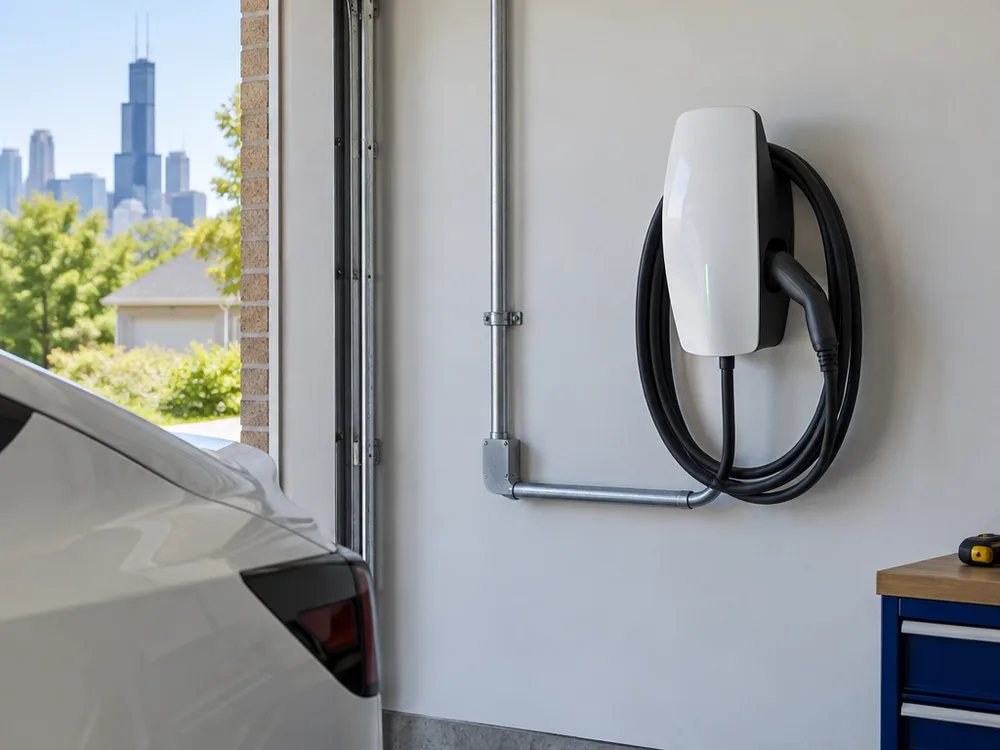
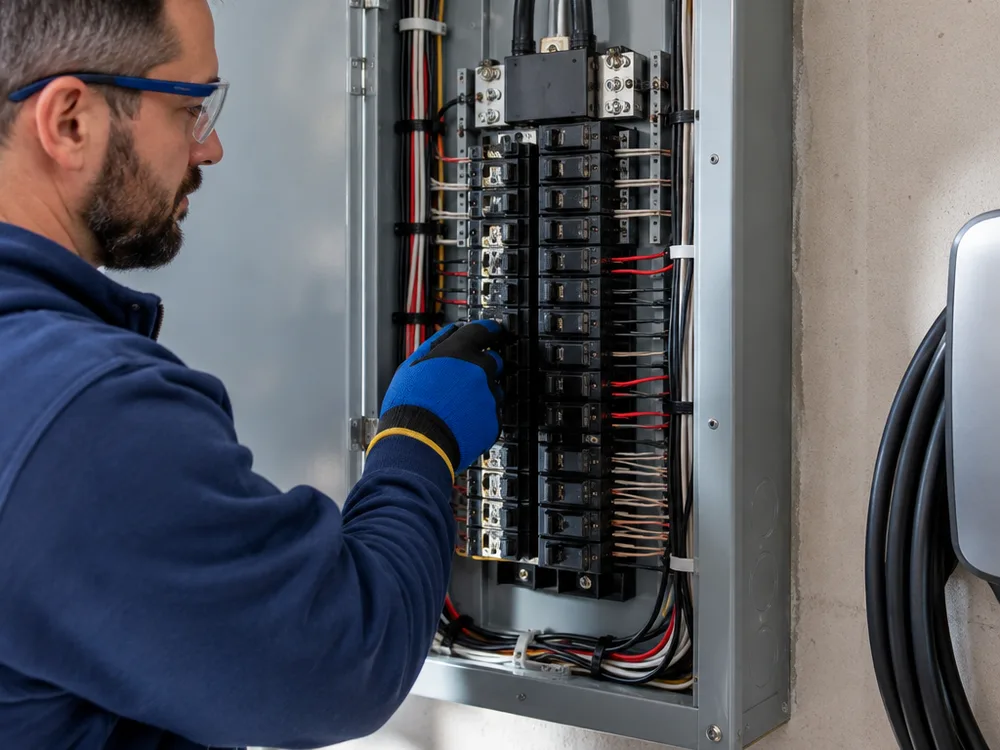
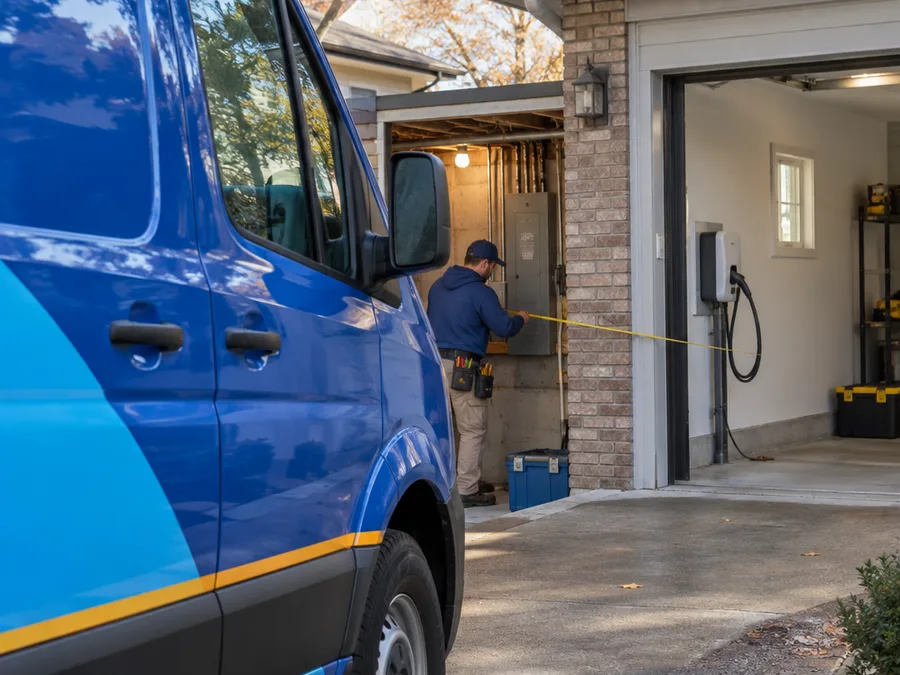
Many charger installs in Chicago can require a permit depending on scope, especially when new circuits are added or panel work is involved. The safest approach is to assume permitting may apply and confirm based on your exact setup, because the details of the circuit and routing determine what is required.
A Tesla Wall Connector is usually the cleanest daily setup because it is hardwired and purpose-built, while a NEMA 14-50 outlet can make sense when you want flexibility to use a mobile connector. The right choice depends on your panel capacity, where the cable needs to reach, and whether you want a permanently mounted unit or an outlet-based approach.
It depends on your service size, existing loads, and whether your panel has capacity for a new dedicated circuit. We check available breaker space and do a practical load review before recommending a circuit size, because EV charging is a continuous load and needs to be planned accordingly.
Many installations can be completed in a single visit when the panel is accessible and the wiring run is straightforward. Longer runs to detached garages, finished-space routing, masonry work, or permit scheduling can extend the timeline.
Mount it where the cable reaches your normal parking position without crossing a door opening or main walking path. In narrow garages and alley-facing setups, a few feet of placement change can make charging much easier day to day, so we plan location around how you actually pull in and back out.
Sometimes, but shared electrical infrastructure and building rules can add requirements like approvals, dedicated metering considerations, or restrictions on routing through common areas. If you have a condo or HOA, gather any building guidelines first so we can evaluate a compliant, buildable approach.
Tell us what you drive, where you park, and where your panel is located. We will confirm capacity, recommend the right setup, and provide a clear scope for a code-compliant Tesla charger installation in Chicago.